- lunacruisehalong@gmail.com
- 0912345678
- Hanoi, Vietnam

Halong Bay Cruise Photography Guide: How to Capture Sunrise, Sunset, Caves & Limestone Islands
Halong Bay is one of Vietnam’s most photogenic destinations, with towering limestone islands, emerald-green water, hidden caves, floating villages, and constantly changing light. For travelers joining an overnight cruise, the journey offers countless opportunities to capture memorable photographs—from the first light of sunrise to dramatic sunsets over the karst landscape.
Whether you use a professional camera, mirrorless system, or simply a smartphone, knowing when and where to take photos can make a significant difference.
If you are planning an overnight cruise such as Luna Cruise Halong, this photography guide explains how to capture the best moments on the bay, including sunrise, sunset, caves, limestone islands, kayaking, and life onboard.
Why Halong Bay Is Perfect for Photography
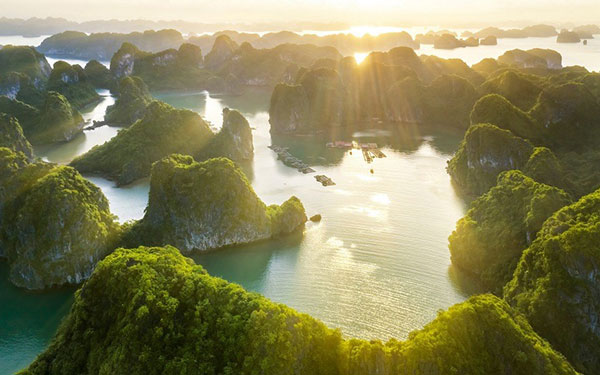
Halong Bay combines several elements that photographers love: dramatic landscapes, reflective water, changing weather, and natural limestone formations.
The scenery can look completely different depending on the time of day. Early morning often brings soft light and mist, while late afternoon creates warmer tones across the islands. Inside caves, artificial lighting and natural shadows create a completely different photographic environment.
An overnight cruise also gives travelers more time to photograph the destination than a typical day trip.
Instead of rushing between attractions, you can photograph the bay from different perspectives throughout the day.
1. Photographing Sunrise on Halong Bay
Sunrise is one of the most rewarding photography opportunities during an overnight Halong Bay cruise.
The combination of calm water, distant limestone islands, and soft morning light can create atmospheric images with very little effort.
Wake Up Early
The most important rule is simple: don’t wait until the sun is already high in the sky.
Try to get into position approximately 15–30 minutes before sunrise. This allows you to capture the changing colors of the sky and the first light touching the limestone formations.
On many cruises, the upper deck is the best location because it provides an unobstructed view.
Use the Limestone Islands as Foreground Elements
Instead of photographing only the sun, include the surrounding landscape.
Position a limestone island, boat, railing, or another cruise passenger in the foreground. This creates depth and makes the photograph feel more connected to the environment.
A useful composition is:
Foreground → Water → Limestone Islands → Sunrise Sky
This layered approach can produce much more interesting photographs than simply pointing the camera at the horizon.
Smartphone Sunrise Photography Tips
Modern smartphones can produce excellent sunrise photographs. Try these techniques:
If your phone supports RAW photography, use it when you plan to edit the images later.
2. Capturing the Golden Hour and Sunset
Sunset is another highlight of a Halong Bay cruise.
As the sun moves toward the horizon, the limestone islands can take on warm golden, orange, and pink tones.
Arrive Early
The best sunset photographs often happen before the actual sunset.
Around 20–40 minutes before sunset, the light can become softer and warmer. Stay on the upper deck and observe how the landscape changes.
Don’t take just one photograph. Photograph the scene repeatedly as the light develops.
Photograph Silhouettes
Silhouettes work particularly well in Halong Bay.
Place a limestone island or person between your camera and the brighter sky. Reduce exposure until the foreground becomes dark while preserving the colors of the sky.
This technique is especially effective when photographing:
Calm water can create beautiful reflections of the islands and sky.
When possible, lower your camera angle slightly and include more water in the composition. This can make the photograph appear more cinematic.
3. How to Photograph Halong Bay’s Limestone Islands
The limestone karsts are arguably the most recognizable feature of Halong Bay.
However, photographing them successfully requires more than simply pointing your camera toward the largest island.
Look for Layers
Try to photograph multiple islands at different distances.
A nearby limestone formation can create a strong foreground, while smaller islands in the background add depth.
This is particularly effective when using a longer focal length.
Use a Telephoto Lens
If you have a camera with interchangeable lenses, a telephoto lens can help isolate interesting formations.
A focal length around 70–200mm can be useful for:
You don’t always need a wide-angle lens for landscape photography.
Shoot Vertically
Don’t photograph everything horizontally.
Vertical compositions can work especially well when a limestone formation rises dramatically from the water.
Vertical images are also useful for travel blogs, Instagram Stories, Pinterest, and mobile screens.
4. Photography Inside Halong Bay Caves
Cave visits are often included in Halong Bay cruise itineraries, but photographing them can be challenging.
The main problem is the extreme difference between bright and dark areas.
Avoid Flash When Possible
Your camera’s built-in flash usually isn’t powerful enough to illuminate a large cave.
It can also create harsh foreground lighting while leaving the background completely dark.
Instead, use the lighting already available inside the cave and stabilize your camera.
Increase ISO Carefully
If the cave is dark, you may need a higher ISO.
Modern cameras handle ISO well, but excessive ISO can introduce digital noise.
A good approach is to balance:
If you are using a smartphone, Night Mode can be surprisingly effective for stationary cave scenes.
Photograph Details
Don’t photograph only the entire cave.
Look for:
Including a person in the frame can help viewers understand how large the cave actually is.
5. Kayaking Photography: Capture the Bay From Water Level
Kayaking offers a completely different perspective compared with photographing from the cruise ship.
Instead of seeing the limestone islands from above the water, you become part of the landscape.
Protect Your Equipment
Water is the biggest risk.
If you’re carrying a camera:
For casual travelers, a smartphone with waterproof protection may be more practical than a large camera.
Photograph Your Travel Companions
Ask another kayaker to move slightly ahead of you.
Then photograph them against the limestone landscape.
This creates a strong sense of scale and tells a story about the experience rather than simply documenting scenery.
6. Photographing People on a Halong Bay Cruise
Some of the best cruise photographs aren’t landscapes—they are candid travel moments.
Photograph people enjoying:
Try to capture natural moments rather than asking everyone to pose.
For portraits, soft morning or late-afternoon light is usually more flattering than strong midday sunlight.
7. The Best Camera Settings for Halong Bay
There is no single perfect setting because lighting conditions change constantly.
However, these starting points can help.
For Sunrise and Sunset
Try:
If you are photographing directly toward the sun, check your histogram and avoid completely blowing out the brightest areas.
For Moving Boats
Use a faster shutter speed, particularly when photographing:
A shutter speed around 1/500 second can be a useful starting point for moving subjects.
For Landscapes
A moderate aperture such as f/8 can provide good overall sharpness.
If you’re using a smartphone, simply focus on composition and exposure rather than worrying about manual settings.
8. Composition Techniques That Work in Halong Bay
Good equipment helps, but composition matters more.
Rule of Thirds
Place the horizon or main limestone formation approximately one-third into the frame rather than always putting everything in the center.
Leading Lines
Use:
These elements can guide the viewer’s eye through the image.
Negative Space
The open water and sky around the limestone formations can create beautiful negative space.
Don’t feel that every part of the photograph needs to be filled.
Include Scale
A small person or boat beside a huge limestone island can dramatically communicate the scale of Halong Bay.
9. Don’t Forget the Cruise Ship
A common mistake is spending the entire trip photographing the landscape and forgetting the cruise experience itself.
Take photographs of:
If you’re traveling on Luna Cruise Halong, documenting the experience from boarding through the final morning can create a complete visual travel story.
10. The Best Time of Day for Different Photos
Different times create different photographic opportunities.
Weather also plays an important role. Cloudy mornings aren’t necessarily bad for photography. Clouds can create dramatic skies and softer, more evenly distributed light.
11. Smartphone vs. Professional Camera
You don’t need an expensive camera to photograph Halong Bay.
Smartphone
Best for:
Best for:
The most important camera is ultimately the one you are comfortable carrying and using.
12. Essential Photography Gear for a Halong Bay Cruise
For most travelers, a lightweight setup is ideal.
Consider bringing:
Avoid bringing too much equipment. A cruise holiday is about enjoying the destination as well as photographing it.
13. Common Photography Mistakes to Avoid
Shooting Only at Midday
Strong overhead sunlight can create harsh shadows.
Wake up early and stay outside around sunset.
Using Too Much Zoom
Digital zoom can significantly reduce image quality.
Move closer when it is safe, or use an optical telephoto lens.
Ignoring the Horizon
A tilted horizon can make an otherwise beautiful landscape look amateurish.
Turn on the camera’s grid or level function.
Taking Only One Shot
Light changes quickly on the bay.
Take several versions of important scenes.
Forgetting to Enjoy the Cruise
Photography should enhance your journey, not replace it.
Put the camera away occasionally and simply watch the landscape.
14. A Simple Halong Bay Cruise Photography Checklist
Before leaving your cabin, check:
This simple checklist can prevent many avoidable problems.
Final Thoughts: Make Your Halong Bay Photos Tell a Story
The best Halong Bay photographs aren’t necessarily the most technically perfect ones. They are the photographs that communicate what it felt like to be there.
Start with the quiet atmosphere of sunrise, follow the cruise through caves and limestone islands, capture the excitement of kayaking, and finish with the warm colors of sunset.
An overnight itinerary gives you multiple opportunities to photograph the bay under different lighting conditions. For travelers choosing Luna Cruise Halong, combining landscape photography with candid moments onboard can create a complete visual record of the journey.
Most importantly, don’t spend the entire cruise looking through a screen. Capture the important moments, then put your camera down and experience Halong Bay with your own eyes.
Sometimes the photograph you remember most is the one you almost didn’t take
Discover the rich biodiversity of Halong Bay, from coral reefs and marine life to forests, caves, mangroves, and coastal habitats with Luna Cruise Halong.
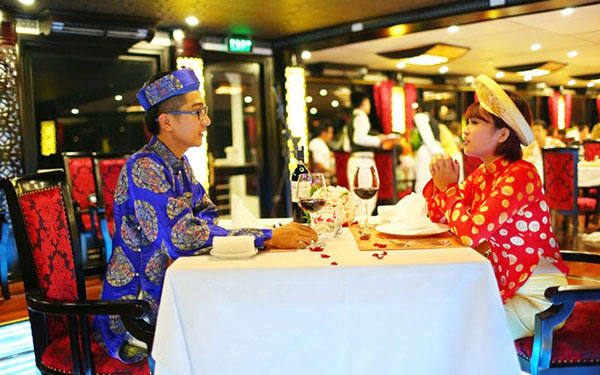
Experience the perfect New Year's Eve on Luna Cruise Halong with sunset cocktails, countdown parties, and the first sunrise of the year.
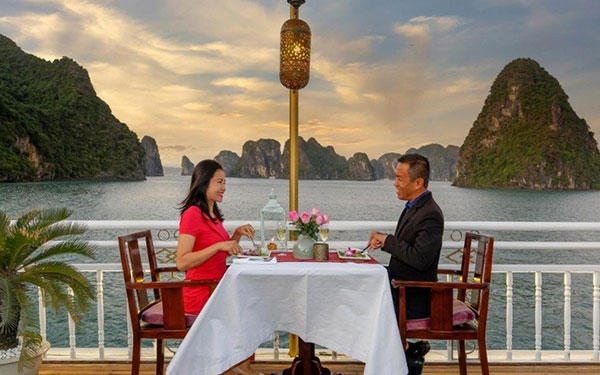
Discover what luxury travelers expect from a Luna Cruise Halong experience in 2026, from personalized service and wellness to gourmet dining and exclusive itineraries.